Author: Webframez

  • Mastering Communication with Your Builder: A Comprehensive Guide for Homeowners

    Mastering Communication with Your Builder: A Comprehensive Guide for Homeowners

    Undertaking the creation of a new home or diving into a substantial renovation project is a thrilling but intricate journey. A pivotal element that can significantly shape the outcome of your endeavour is the art of effective communication with your builder. A transparent and candid exchange of ideas can go a long way in ensuring that your aspirations and expectations are well-understood, resulting in a streamlined construction process and a gratifying final product. In this article, we will impart invaluable insights and guidance on the art of communicating effectively with your builder.

    1. Establishing a Firm Foundation:

    Before the construction commences, it is imperative to lay a solid foundation of communication with your builder. This involves comprehensive discussions about your objectives, preferences, and anticipations. Take ample time to express your vision clearly, and encourage your builder to do the same. A shared understanding right from the beginning is vital to prevent misunderstandings and conflicts later on.

    2. Sustain Consistent Contact:

    Maintaining a steady line of communication with your builder is of paramount importance throughout the construction process. Schedule regular meetings or check-ins to monitor progress, address any concerns, and make necessary decisions. Depending on the scale of your project, these meetings could range from weekly to bi-weekly. A consistent flow of communication keeps you well-informed, offers you a platform to provide feedback, and allows for timely adaptations when required.

    consistent

    3. Precision and Attention to Detail:

    When communicating with your builder, precision and attention to detail are your allies. Steer clear of vague statements and instead, provide explicit instructions or requests. For instance, rather than saying, “I want a larger kitchen,” specify the desired dimensions or offer examples of the features you wish to incorporate. The more exacting you are, the better equipped your builder is to grasp and fulfill your expectations.

    4. Everything in Black and White:

    Verbal exchanges are indispensable, but it is equally vital to document everything in writing. Record all agreements, modifications, or decisions made during meetings or conversations. This practice not only creates a documented history of the project’s evolution but also serves as a reference point for both parties. Written communication curtails the likelihood of misunderstandings or overlooking critical details.

    5. Active Listening:

    Communication involves two-way traffic, so actively listen to your builder’s insights and expertise. Builders possess invaluable knowledge and experience in their field, which can significantly enhance the overall outcome of your project. Foster open dialogue, pose questions, and seriously consider their suggestions. A collaborative approach nurtures a positive working relationship and heightens the prospects of a successful construction journey.

    consistent

    6. Addressing Concerns Promptly:

    Should any concerns or issues crop up during the construction process, it is essential to deal with them promptly in conjunction with your builder. Effective communication encompasses timely troubleshooting and the identification of mutually agreeable solutions. Ignoring or deferring the resolution of problems can lead to avoidable delays, budget overruns, or an unsatisfactory final result. Uphold an open line of communication to tackle concerns constructively and proactively.

    7. Respect for Professional Boundaries:

    While effective communication is pivotal, it is also crucial to respect professional boundaries. Acknowledge that builders juggle multiple projects and commitments, so be mindful of their time and workload. Steer clear of excessive demands or frequent interruptions, and be appreciative of their expertise and judgment. An approach that is respectful and professional establishes trust and facilitates effective cooperation.
    In essence, effective communication is the linchpin of a fruitful partnership between homeowners and builders. By establishing a robust foundation, maintaining regular contact, adhering to precision and attention to detail, documenting decisions, actively listening, addressing concerns promptly, and respecting professional boundaries, you can ensure seamless communication throughout your construction venture. Remember, lucid and transparent communication paves the way for a harmonious working relationship and acts as a conduit to transform your vision into the home of your dreams.

  • A renovation and home extension builder’s guide to future-proofing your home

    A renovation and home extension builder’s guide to future-proofing your home

    As renovation and home extension builders, we get a lot of questions about getting the best value for money when renovating and extending homes. It’s a great question and definitely something most homeowners want to achieve. Most of the time, when thinking about the best value for money, people will generally think about the finishes and the size.

    But there’s another element that is equally important to think about and may not deliver a good return on investment in the short term but will pay off in the long term. And that is renovating your home to allow for future changes.

    What does that mean exactly?

    To make it easy, we’ve put together a guide on future-proofing your home, including all the elements you should think about and how you can adopt a forward-thinking approach, ensuring your home remains functional, sustainable, and adaptable for years to come.

    future proof your home

    Flexibility & Adaptability?

    When designing your home renovations and extension, it’s important to consider the flexibility and adaptability of the design over time.

    Most Australian homeowners consider renovations and extensions because of family changes. For example, they’ve either grown out of their current space due to new additions to the family, or their current home is no longer workable because of kids growing into teenagers and teenagers into adults.

    Renovating your home in the short term to accommodate a growing family is great, but forward-thinking down the track and considering your home and how it can adapt as your toddlers become children and your children become teenagers can help you think differently about the design.

    Opting for an open floor plan that allows for easy reconfiguration of spaces is a great way to incorporate flexibility into your home design. Consider multi-purpose rooms that can serve different functions over time. By providing flexibility in your home’s layout, you can accommodate changing needs and avoid costly renovations down the line.

    Another element that needs to be considered is our own ageing. As much as we don’t like to admit it, we will age. And as we age, our needs and the requirements we need from our home also needs to change.

    This means we might need extra supports in the bathrooms, wider doorways, non-slip flooring, access ramps and other accessibility features. The building standards in each state are also considering these requirements, and the way we build and renovate homes is changing in line with a more future-focused approach.

    The requirements under the National Construction Code (NCC) for ‘livable housing design’ means we need to change the way we design our homes and make our homes more easily adaptable to the changing needs of the occupants.

    New homes going forward will be required to consider livable housing design features, and undertaking considerable renovations and extensions will also mean these elements need to be considered.

    Renovations and extensions are when you should be thinking about incorporating universal design principles into your existing home that focus on accessibility, safety, and convenience. By considering these elements during your home upgrades, you can comfortably age in place and avoid costly modifications later.

    home extension builders sustainability

    Sustainability & Energy efficiency

    Australia’s commitment to energy efficiency and sustainable design is an essential consideration in any home renovation and extension project. Depending on the age, there may be little to no sustainability features in your home. This means it may not even have any insulation, let alone water-saving devices or energy-efficient lighting. If it’s more than thirty years old, we’re guessing it has a fair few gaps as well resulting in a lot of air leaks.

    Even if your home is just ten years old, it’s likely to need an energy-efficient update. Sustainability has come a long way in ten years, and new requirements mean your home may not even be compliant with new NCC energy-efficient homes energy standards.

    So, when undertaking a renovation or home extension, consider all your sustainability options and what energy-efficient features you can incorporate into your home that will both save you money in running costs and keep your home current with energy efficiency requirements.

    Some sustainability and energy-efficient features to consider include:

    • Insulation
    • Solar panels
    • LED lighting
    • Water tanks and water-saving devices
    • Double glazed windows
    • Passive home design and designs that incorporate cross ventilation
    • Materials and finishes that are both sourced and produced under sustainable conditions

    Working towards a high star rating under the Nationwide House Energy Rating Scheme (NatHERS) is a good place to start when considering sustainability and future-proofing your home.

    Renovation and home extension builders

    Smart Technology

    Along with sustainability, technology is advancing at an unprecedented pace, and while it’s hard to imagine how it may impact our homes in the future, it’s something to consider. Planning your renovation and home extension to accommodate emerging technologies, such as electric vehicle charging stations, smart appliances and integrated home automation systems, is almost an essential requirement now and as renovation and home extension builders, it’s something we are asked about and recommend often.

    If you live in an older home, it can be hard to imagine all the things that smart technology can do. A smart home can adjust your thermostat, turn on and turn off your lights, set your security, let you see who is at your front door, unlock and lock your doors, run you a bath… The list is almost endless.

    Even if you don’t need or use these elements now, if you incorporate the technology into your home upgrades, it will allow for easier adaptation in the future without major structural modifications and electrical upgrades down the track. Simply incorporating the infrastructure to convert your home to a smart home will also add to the value of your home.

    adaptability future proof

    From a renovation and home extension builders perspective, future-proofing your home is money well spent

    As renovation and home extension builders, we have worked on numerous projects and the homes that will stand the test of time are the ones where forward planning and future-proofing have been thought about and elements incorporated into the renovation. Of course, everyone needs to take into account the budget when it comes time to renovate, but future-proofing your home will be money well spent and will be a good investment long into the future.

    For more information and a chat about how we can incorporate any of these elements into your home renovation or extension, get in touch, and we can book a time to talk.

  • 10 Reasons to Renovate Your Home

    10 Reasons to Renovate Your Home

    Your home is more than just a place to live; it’s a reflection of your personality, lifestyle, and aspirations. While moving to a new house may seem like a tempting option, renovating your existing home can offer a multitude of benefits. From enhancing comfort to adding value, home renovations allow you to transform your living space according to your needs and desires. In this article, we’ll explore ten compelling reasons why renovating your home is a worthwhile investment.


    1. Personalisation and Style
    Home renovations give you the opportunity to personalise your home and create a space that truly reflects your unique style. Whether it’s updating the paint colours, installing new flooring, or adding decorative elements, you can infuse your personality into every nook and cranny of your home.
    2. Enhanced Comfort
    Improving comfort is a common reason for home renovations. You can upgrade insulation, replace worn-out windows, or revamp your HVAC system to create a more comfortable living environment. Imagine enjoying consistent temperatures throughout the year and costing up in a well-insulated home during the winter months.


    3. Improved Functionality
    Does your home lack functionality? Renovations allow you to optimise the layout and design to better suit your needs. You can reconfigure rooms, knock down walls to create an open floor plan, or add storage solutions to maximise space utilisation. A functional home enhances your daily life and makes everyday tasks more convenient.
    4. Energy Efficiency
    In an era where sustainability is gaining importance, renovating your home for energy efficiency is a smart move. Upgrading to energy-efficient appliances, installing solar panels, or improving insulation can significantly reduce your carbon footprint and lower utility bills in the long run.
    5. Upgraded Technology
    Advancements in technology have revolutionised the way we live. Renovating your home gives you the chance to incorporate smart home features such as automated lighting, security systems, or intelligent thermostats. These upgrades not only add convenience but can also increase your home’s value.
    6. Value Appreciation
    Renovating your home is a strategic investment that can increase its market value. Upgraded kitchens and bathrooms, improved curb appeal, and modernised amenities attract potential buyers and potentially yield a higher selling price if you decide to put your home on the market.


    7. Repairs and Maintenance
    Over time, wear and tear are inevitable. Renovations provide an opportunity to address necessary repairs and maintenance tasks. Fixing leaky roofs, plumbing issues, or structural problems not only ensures your home’s longevity but also prevents costly damage down the line.
    8. Expansion for Growing Families
    If your family is growing or your needs have changed, a home renovation can help you create additional space without the hassle of moving. Whether it’s adding an extra bedroom, a home office, or a play area, expanding your home allows it to adapt to your evolving lifestyle.


    9. Emotional Attachment
    Your home holds cherished memories and sentimental value. Renovating can help preserve the emotional connection you have with your house while refreshing its appearance and functionality. It allows you to create a space that aligns with your current stage of life while maintaining the essence of what makes it home.
    10. Neighbourhood Compatibility
    Your home is part of a larger community. Renovating your property can contribute to the overall aesthetics and desirability of the neighbourhood. By updating your home’s appearance, you not only improve its curb appeal but also enhance the value and appeal of the surrounding properties. Renovating your home offers a plethora of reasons to embark on this exciting journey. From personalising your space to increasing its value, a home renovation empowers you to create a home that aligns with your lifestyle and aspirations. Whether you’re seeking comfort, functionality.

    (more…)

  • Energy-efficient homes: Everything you need to know about the NCC energy efficiency changes

    Energy-efficient homes: Everything you need to know about the NCC energy efficiency changes

    Having energy-efficient homes is important to many Australians. And for good reason. An energy-efficient home is good for the environment and it can save us all a pretty penny in running costs. And the latest changes to the NCC will have us building our homes with a greater emphasis on energy efficiency.

    Let’s take a look at what those changes are and how they can impact you when undertaking a major renovation on your home.

    What is the NCC?

    Before we dive into the NCC changes, let’s first clarify what the NCC is and how it works within Australian housing.

    The NCC stands for the National Construction Code. It sets the minimum required level for safety, health, amenity, accessibility and sustainability for building within Australia.

    The NCC should not be confused with the Australian Standards. They are two completely separate pieces of information but are used together to make sure our homes (and other structures) are constructed to a safe and structurally sound standard.

    Want to know more about the NCC? It is free to access and can be found here: https://ncc.abcb.gov.au/.

    Every 3 years the Australian Building Codes board and all the state and territory governments come together to review the NCC and update the standards in which we build to ensure we are achieving a high level of standard in our builds as we evolve both in our construction methods and the materials we develop for our homes.

    The latest update was completed in October 2022, with a lot of the changes set to roll out in Queensland both this month (May 2023) and October 2023.
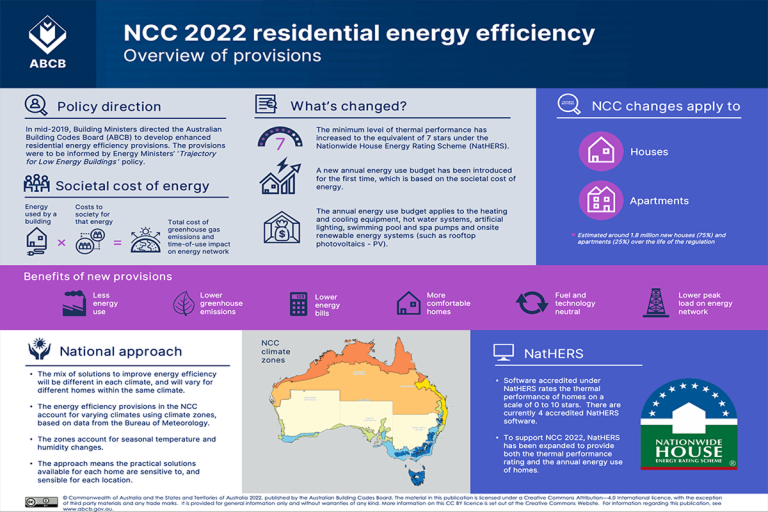
    NCC Energy Efficiency Infographic 1


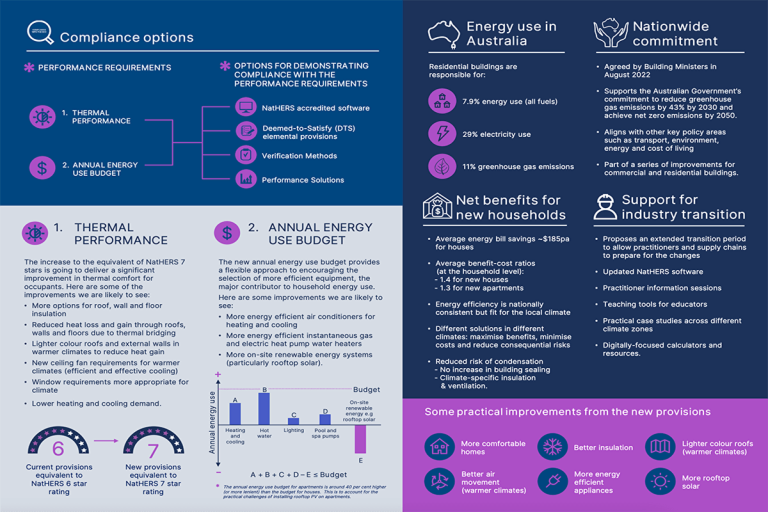
    NCC Energy Efficiency Infographic 2

    source: https://abcb.gov.au/sites/default/files/resources/2022/NCC-2022-Residential-Energy-Efficiency-Overview-of-Provisions.pdf

    What is changing in the NCC in 2023

    We want to talk specifically about the energy efficiency changes coming into effect this year, but some other fairly significant changes should also be noted. These include:

    Fire safety standards – New fire safety standards will come into effect for buildings under the updated NCC. The focus will be on improving safety, particularly in high-rise buildings. The new standards will include requirements for the use of fire-resistant materials, the installation of sprinkler systems, and the provision of safe evacuation routes. The new standards will also require building owners to maintain their fire safety systems regularly.

    Accessibility requirements – The NCC 2022 will introduce new accessibility requirements for buildings, with a focus on improving access for people with disabilities. The new requirements will include mandatory minimum standards for the design of accessible bathrooms, ramps, and doorways. There will also be new requirements for the provision of accessible parking and the installation of hearing loops and visual alarms.

    Building and construction standards – The NCC 2022 will introduce new building and construction standards, with a focus on improving the quality and safety of buildings. The new standards will include requirements for the use of high-quality building materials, the installation of moisture barriers, and the provision of adequate ventilation to improve condensation management.

    There will also be new requirements for the management of construction waste and the use of sustainable building practices.
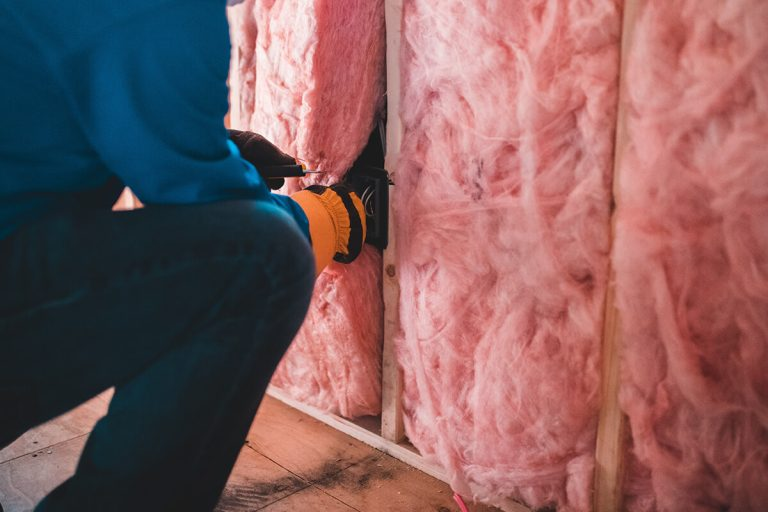
    Energy efficiency insulation

    Energy-efficient homes – Sustainability changes within the NCC

    As well as the changes listed above, the NCC updates have outlined some fairly significant changes to sustainability and energy-efficient homes.

    The updated energy efficiency requirements within the NCC aim to reduce greenhouse gas emissions from buildings by setting higher standards for insulation, ventilation, and lighting. This means that new buildings and major renovations must meet higher energy efficiency ratings to be compliant with the NCC.

    Why is this important? Well, Australian homes are a major contributor to greenhouse gas emissions and energy consumption. The reality is that residential buildings are responsible for around 24 to 29%% of overall electricity use and 11 to 12% of total carbon emissions in Australia.

    By making buildings more energy-efficient, we can reduce these emissions and move towards a more sustainable future.

    There are two key energy efficiency changes being made in the NCC:
    Increased minimum thermal performance requirements – Walls, roofs, and floors on all new builds and major renovations must have better insulation to reduce heat loss or gain. The current thermal performance currently requires an energy rating equivalent to 6 stars under the Nationwide House Energy Rating Scheme (NathHERS). This will be bumped up to the equivalent of 7 stars under the new requirements.

    This will provide a significant improvement in the thermal comfort you will feel in the home, and, if you are renovating an older home that has next to no insulation, this is going to make a huge difference to the livability of your home.

    Houses in warmer climates will also be required to use lighter-coloured roofs and install ceiling fans to reduce heat gain and provide better cooling.

    Whole-of-home annual energy use budget – This is a requirement that now needs to be met by new homes and major renovations. This criteria applies to the heating and cooling equipment that is being installed and used in the home. Equipment such as…

    • Hot water systems
    • Artificial lighting
    • Swimming pool and spa pumps
    • Onsite renewable energy systems (solar panels for example)

    … will all be taken into account within the new energy budget. The budget, according to the NCC board, is based on the energy cost to society. It’s a little confusing to get your head around right now, but soon this will be our new normal and our homes will be better off for it.

    In a nutshell, in order to meet the 7 stars standard and the new energy-efficient home requirements, homeowners will need to consider the following when building and undertaking a major renovation on their homes:
    Better insulation – This included better insulation for your roof, walls and floor.

    • Improved glazing – new homes will have to use windows with better thermal performance, such as double glazing to reduce heat transfer.
    • Greater air-tightness – New homes will have to have better seals around openings to prevent air leakage that contributes to energy waste.
    • More stringent requirements for heating, cooling, and ventilation systems – new builds will need to consider more efficient energy-efficient heating, cooling, and ventilation systems, such as heat pumps or high-efficiency air conditioning units.
    • New requirements for on-site renewable energy generation – new builds will have to incorporate on-site renewable energy generation, such as solar panels, to offset their energy consumption.
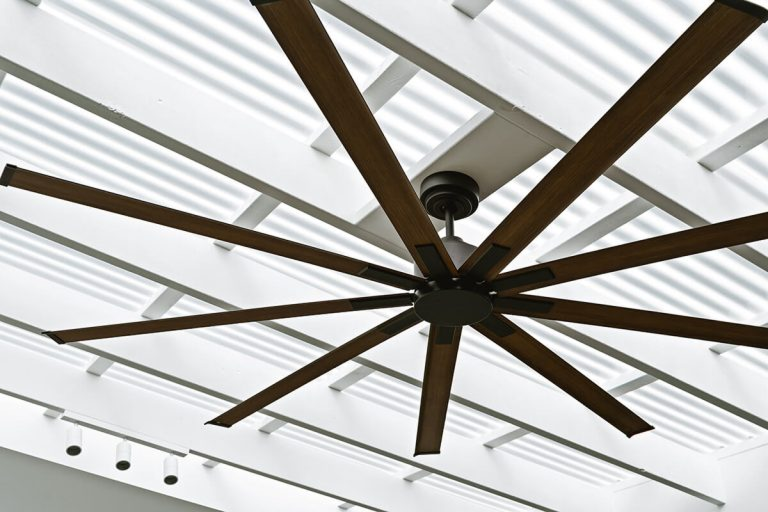
    Energy efficiency fans

    How do the NCC changes regarding energy-efficient homes impact homeowners wanting to build or renovate?

    All these new requirements are going to lead to lower energy bills and as the occupant, you are going to enjoy the difference in the livability of your home. It will be much more comfortable and your home will be able to better regulate its internal temperature without the need to rely so much on extra heating and cooling.

    All good things for you and your home right? Not only will your home be far more comfortable, it will be cheaper to run and improving the energy efficiency of your home is also going to contribute to the overall value of your home.

    But, while the new requirements are a good thing in the long run, it does need to be noted that adding in all these new requirements to your home or renovation means that the costs to build or renovate are likely going to increase. It will be an investment, but as a homeowner who is looking to build or undertake a major renovation, you do need to be aware of and factor in the extra costs that go into building an energy-efficient home.
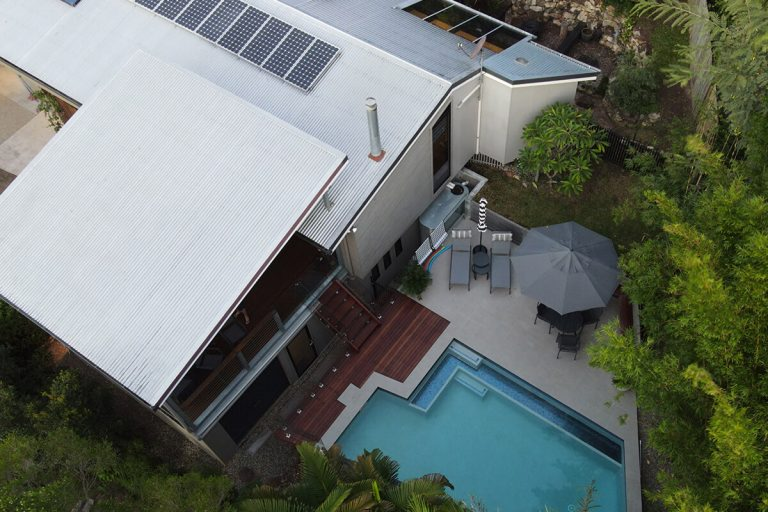
    energy efficient homes solar panels

    How much extra will it cost to build with the NCC sustainability changes?

    How much extra it will cost to build your home with the new NCC energy efficiency requirements is something that cannot be laid out here and now. Every home is different, every build is different and every budget is different.

    What we can tell you though, is that RedKem Constructions are the experts when it comes to building energy-efficient homes. From the very beginning, we have been working with our clients to make sure all the latest energy-efficient products and materials are presented as an option for the project and are incorporated wherever possible.

    Building beautiful and energy-efficient homes for Brisbane families is what we do, and sustainability is an important aspect to achieving exceptional results on all the renovations we’ve been involved in.

    We are ready to fully embrace the NCC energy efficiency requirements and are committed to providing the best sustainable options in all aspects of your renovation.

    Click through to our gallery to view our projects or book a call and we can talk about how we are meeting the NCC requirements for energy-efficient homes and how we can incorporate sustainable measures into your home renovation.

  • We’re going green, in 2018!!

    We’re going green, in 2018!!

    We’re going green, in 2018! Are you?

    In 2018, RedKem Constructions are joining the environmentally aware to guide and innovate people in the direction of designing and building/renovating a sustainable, energy efficient home. We’re partnering with a number of green suppliers who provide more sustainable building solutions and we will be offering a series of new ‘Green Machine’ renovation packages custom designed for each particular project.

    Here’s a brief overview:

    We’re going to team up with partners that supply rainwater harvesting and water conserving products and appliances, The use of natural lighting and ventilation, solar power, battery storage and solar heating, formaldehyde free wood products, using recycled plastics and recycled products for items like wall and ceiling insulation that offer higher energy efficient ratings, double glazing in windows and doors, energy efficient lighting products and so much more.

    Overall, we want to create a healthier, happier lifestyle, improve the usage of water and energy efficiency of your home which won’t only reduce your bills but save the earth too 🙂

  • Design your home to capture the perfect sun angles

    Design your home to capture the perfect sun angles

    Living in the Sunshine State of Queensland means most of the time we spend at home is outdoors, why?

    We have 2792 hours of full sunlight per year with an average of 8 hours per day and that takes into consideration the cloudy and rainy days. Even winter temperatures don’t go much below 15 degrees during the day either.
    If you have an unused area in the backyard that you could potentially turn into an entertainment area, sun deck, BBQ area etc. then contact a building professional to discuss the potential of your unused space as well as designing and positioning your outdoor area to capture the right sunlight.
    Here’s an example on a few of our recent outdoor projects..

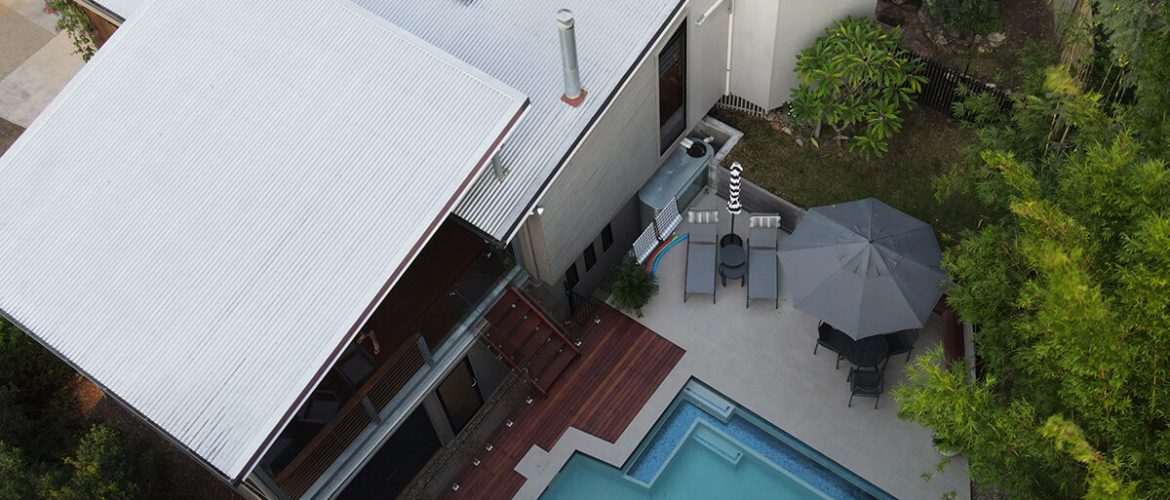
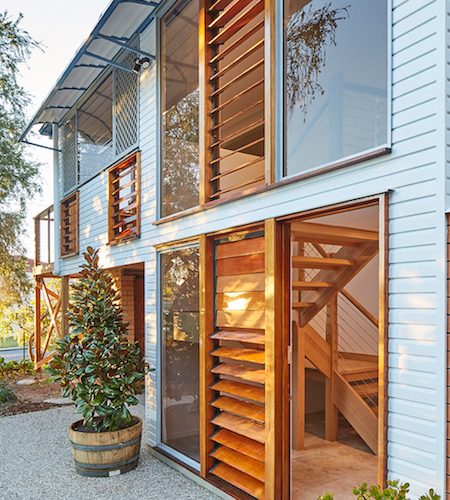
    Design your home to capture the perfect sun anglesDesign your home to capture the perfect sun anglesDesign your home to capture the perfect sun anglesDesign your home to capture the perfect sun angles

  • The Dodgy Dentist vs The Professional Builder

    The Dodgy Dentist vs The Professional Builder

    The Dodgy Dentist VS the Professional Builder

    If you’re in the process of selecting a builder to renovate your home and think the price should be the biggest determining factor, you may want to rethink a few things before you move forward.

    Here’s a quick story. I was chatting with a friend of mine yesterday, and they seemed a bit distressed. I inquired why and they told me they had just received a phone call from QLD Health informing them that the dentist they used for their wisdom teeth extraction was under investigation for using faulty equipment and reusing the same unsterilized equipment on multiple patients. As someone who’s been to the dentist and the doctor, this terrified me to hear.

    This sort of gross misconduct (literally) can result in medical complications for the patient. Thankfully, my friend’s medical tests all came back negative with no signs of any complications from the dentist’s malpractice. I did ask him one question; what made you choose that dentist? He replied that his decision was 100% based on the fact they were cheaper. Most places had quoted him between $1200 and $1800, but these guys came in at $600.

    I asked him if it was worth the few bucks he saved. Was it worth the potential lost wages, doctor’s fees, and hair loss from the stress if he had developed complications from the subpar service? Of course, he said no and wished he had opted for a more professional operation rather than trying to save a few bucks.

    Unfortunately, this is a classic result when we don’t do enough research about the companies we work with and allow ourselves to be blinded by a low price. This is particularly important in the world of building contracting.

    In 2014, we were contacted and employed by a client who had been trying to add an extension onto their home. The first builder they selected, based solely on price, had completely flubbed the addition and left the client high and dry. We had to come in and remove the extension completely and replace it with the exact same floor plan they had originally expected to get from the cheaper builder. Not only did the client have to pay for the extension twice, but they had to pay to remove the initial work as well!

    The moral of the story is there are some things in life where skimping on quality to try and save a few bucks can actually cost you a lot more in the long run. This cost is not only financial, but emotional as well. Do your research, compare apples to apples, and expect a building quote to be no less than 10-15 pages full of detail and the inclusions you need to finish your project on budget and with everything you specified from the very beginning.

    If you think it’s expensive hiring a professional, wait till you hire an amateur!

  • Renovate or Relocate?

    Renovate or Relocate?

    Renovate or Relocate?

    The decision to renovate or relocate can sometimes feel like an overwhelming and daunting choice. There are many things you must consider and weigh into your decision before you make a final choice. Let’s take a look at some of these factors that may help you decide which decision is a better and more cost-effective choice for you and your family.

    Relocation

    A common mistake people make while weighing the relocation option is forgetting to take into account all of the associated fees and costs. Unfortunately, some people only become aware of these fees after they have begun the moving process.

    Fees Include

    1. Stamp duty
    2. Refinancing fees
    3. Solicitor and conveyancing fees
    4. Real estate agent fees
    5. Moving and storage fees if necessary

    Stamp Duty is now payable even if it is your primary residence. The average property value of a home in Brisbane is around $600,000. This means that the Stamp Duty payable on this property would be around $14,800. In addition to this, you will have to pay a 2.5% real estate fee on your property value. For the average property in Brisbane, this will be another $15,000. You’re looking at almost $30,000 in fees without even considering conveyancing and moving costs.

    Renovation

    Here is what $30,000 can buy you with a renovation…

    A recent Housing Industry Association study showed the average cost of a full kitchen renovation was $22,500. This means that those relocation fees would be enough for a brand new kitchen with almost $8000 left over for other renovations. If you’re happy with your kitchen but are looking for more space, $30,000 would go a long way towards extending and expanding your home size.

    Here are some things to take into consideration when deciding to extend or renovate your home.

    1. If the renovation impacts a large area of your home, you may need to look into temporary storage for your furniture.
    2. Will you still be able to live in your home during the renovation? Consult your builder for a definitive answer on this. 80% of extensions and renovations are completed with the residents able to stay living in their home the entire time.
    3. Make sure to check with your local authority to ensure that the proposed work will be approved.

    The bottom line is that analyzing costs and fees and consulting with a building professional before making a decision is advised. Moving can be a lot more expensive and require more work than you may have time to do (even if you hire help). Renovating can be a great option, but you need to make sure that it will be approved by the local authorities and that you are logistic we prepared for the improvements.

  • Builders are all RICH!! Or are they?

    Builders are all RICH!! Or are they?

    Builders are all RICH!!! Or are they?

    How to make sure you’re getting a great deal, and your builder won’t go broke during construction

    If you’ve ever looked at the final price tag of a new renovation or building project, it’s pretty easy to assume that whoever is getting that check probably takes money baths inside their gold plated pools. This can lead clients to think that their builder’s business is always doing great, luring them into a false sense of security.

    The reality is that most of the money paid for new projects goes towards the materials and actual building of the project. If builders aren’t making as much as we think, then their businesses may not be as safe as we initially thought as well. Here are some alarming stats. 80% of building companies will go broke within their first five years of trade. 20% of the remaining companies will go broke within the following five years. This means that an astounding 96% of building companies will go broke within their first ten years of operations.

    As a client, this shouldn’t scare you away from ever wanting to build again. It should merely bring to your attention the importance of checking your builder’s financial solvency BEFORE signing a building contract.

    What happens to me if my builder goes broke during construction?

    If your builder does go bust during your project, sadly, you are not alone. Because of this, some safeguards have been put into place. Builders are required to take out QBCC Home Warranty Insurance prior to starting your project. Great, right? Sort of. Unfortunately, these policies rarely cover the full cost of your project which means you will be left holding the burden of a large chunk of the payment with no recourse.

    How do I avoid an insolvent, dodgy builder?         

    The best strategy for avoiding this situation is doing proper research about your builder BEFORE signing a contract. Get a list of all trades and ask them a few questions about the builder.

    Does the company pay on time?

    What are they like to work for?

    How long have you been contracting to the builder?

    If a builder hires and fires regularly, this should raise alarm bells in your mind as to why. Ask for a list of previous clients and referrals and see what they have to say about the service and professionalism of the builder. If they refuse to give you these, that should be a huge red flag.

    How do I pick the professional builder from the bunch?

    Builder’s margins aren’t that much different from most of their competitors. If this is the case, then why is there such a big gap in pricing? The reason is that some builders use tricks like low initial prices to get the contract and then hit you with high variation fees on items they should have allowed for, but didn’t.

    How do you avoid this and protect yourself?

    Ensure that your builder GUARANTEES a ‘Fixed Price’ quote and his proposal’s have around 10 – 20 pages (depending on project size) with every item, variation, and renovation requirement clearly listed in great detail. Builders that provide proposals of this detail are likely to be much more reliable. These Builders are also much less likely to go broke during construction thanks to prior planning. A Professional Builder’s price may be the higher price, but you know exactly what you are getting and exactly how much it’s going to cost.

    You think it’s expensive to hire a professional? Wait until you hire an amateur!

    click here to download our guide


    books

  • Square meter rates for home extensions and renovations

    Square meter rates for home extensions and renovations

    Here’s a critical tip you need to understand prior to renovating and its a question we are asked all the time..

    Whats your square meter rate?

    The answer to this question is, there’s no such thing. If you sign a contract with a builder that gives you a square meter rate for your renovation then expect to pay a lot more!!

    Let me explain why… there’s not a huge difference between the profit margin from builder to builder so why are the prices so different?

    Inclusions! Inclusions! Inclusions!!!! Here’s an example, the Housing Industry Association’s latest report showed the average kitchen cost for 2015-2016 is $22,500.00. In all building contracts the kitchen is an allowance only so if your builder has allowed $8,000.00 then your very likely to pay more for the kitchen you want.

    This is the same for these allowances = tiles, basin taps, bath taps, vanities, basins, shower taps, shower heads etc. etc. etc.

    Check your allowances because these are tricks builder use to sign building contracts. Ask a few questions prior to signing a building contract with the lowest price because in most cases, they are the most dishonest and you will end up paying more.