Planning to build a new home or renovate your existing property? Choosing the right builder is one of the most important decisions you’ll make. Whether you’re considering a complete home renovation, a second-storey addition, a home extension, or a custom-built property, the right construction team can make a significant difference to the quality and overall experience of your project.
With so many Brisbane builders and renovators offering different services, comparing their experience, pricing, project management approach, and workmanship is essential before making a decision.
A well-planned construction project involves much more than choosing designs and materials. It requires careful budgeting, structural assessments, approvals, reliable communication, and attention to detail throughout every stage.
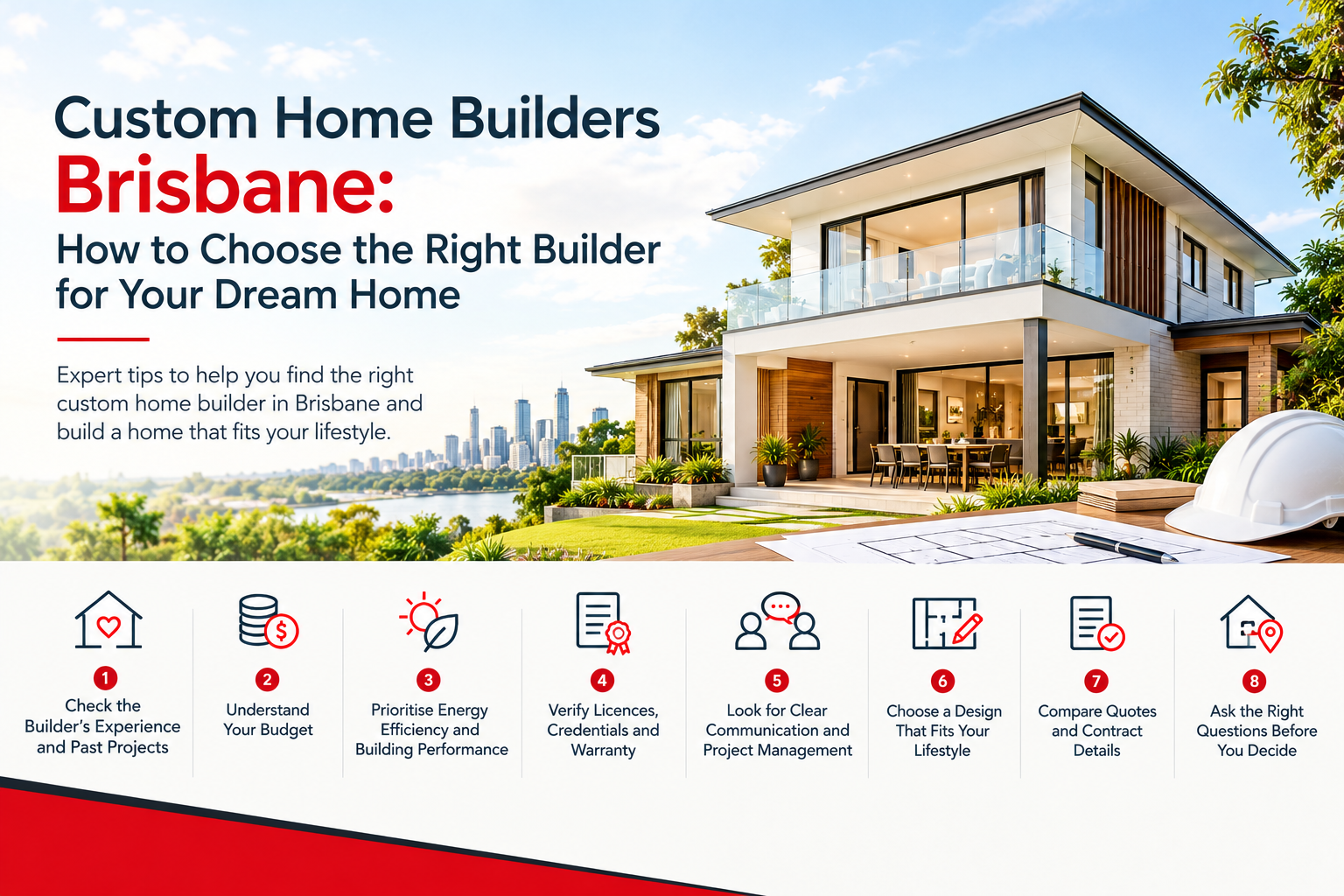
If you’re planning a building or renovation project in Brisbane, here are 10 important things to consider before hiring a builder.
1. Check the Builder’s Licence and Industry Credentials
Before hiring any builder, check whether they hold the appropriate licence to carry out your proposed construction work in Queensland.
A valid licence demonstrates that a builder meets the relevant regulatory requirements for the work they are authorised to undertake. You can verify a builder’s licence through the Queensland Building and Construction Commission (QBCC).
In addition to licensing, consider checking:
- Relevant industry qualifications and accreditations.
- Membership of recognised building associations.
- Insurance coverage and warranty arrangements.
- Experience with similar residential construction projects.
- Industry awards and professional recognition.
These checks help you make a more informed decision and reduce the risk of working with an unsuitable contractor.
For example, it operates under QBCC Licence No. 1278992 and is a licensed and accredited GreenSmart Professional, reflecting its focus on quality construction and energy-efficient homes.
2. Review Previous Projects and Building Experience
A builder’s previous work can tell you a lot about their construction quality, design capabilities, and experience.
Before making your decision, ask to see a portfolio of completed projects. Look for examples that closely match your requirements rather than judging a builder solely on general experience.
For instance, if you’re planning a second-storey addition, choose a builder who understands structural modifications and has experience with similar projects.
Consider reviewing:
- Completed home renovations.
- Custom home construction projects.
- Home extensions and additional living spaces.
- Second-storey additions.
- House raising and build-under projects.
- Before-and-after project photographs.
You can also ask whether the builder can provide references from previous clients.
RedKem Constructions has experience across custom homes, home renovations, extensions, and structural home improvements. Reviewing its completed projects can help homeowners understand its approach to residential construction and renovation.
3. Understand the Complete Project Cost and Pricing Structure
Budget is one of the biggest considerations when planning a home renovation or construction project.
Before signing a building contract, make sure you understand exactly what is included in the quoted price. A low initial quote may not always represent the actual project cost if important materials, labour, approvals, or other requirements are excluded.
Ask your builder about:
- Labour and material costs.
- Design and architectural fees.
- Engineering and certification expenses.
- Council and building approval costs.
- Site preparation and structural work.
- Potential variations and additional charges.
- Payment schedules and contract conditions.
It is also worth asking whether the builder offers a fixed-price contract.
A fixed-price contract can provide greater clarity about the agreed project cost, provided the scope is clearly defined and any exclusions or variation conditions are understood.
We follow a structured proposal process to help clients understand their renovation requirements and work towards a clear project price before construction begins.
4. Evaluate Communication and Project Transparency
Clear communication is essential throughout a building or renovation project. From the initial consultation to the final handover, you should know what is happening, what decisions need to be made, and whether the project is progressing as planned.
Before hiring a builder, ask how they communicate with clients and how frequently they provide project updates.
Important questions include:
- Who will be your primary point of contact?
- How often will you receive construction updates?
- How can you review project progress?
- Will you have access to important documents and financial information?
- How are unexpected issues communicated?
Modern project management tools can make this process much easier.
We provides clients with 24/7 online project access through a secure website and mobile application. Homeowners can review important project information, including budgets, product selections, documents, construction schedules, milestones, and progress photographs.
This level of transparency helps clients stay informed throughout their building journey, even when they cannot visit the construction site regularly.
5. Ask About the Project Timeline and Construction Schedule
Every construction project has different requirements, and the time needed to complete it depends on several factors.
A small renovation may take considerably less time than a complete home transformation or second-storey addition. Design complexity, material availability, weather conditions, approvals, and structural requirements can all influence the schedule.
Before starting, ask your builder for an estimated project timeline covering:
- Initial consultation and site assessment.
- Concept design and planning.
- Engineering and building approvals.
- Material and product selections.
- Construction commencement.
- Major construction milestones.
- Final inspection and handover.
You should also understand how delays are managed and how schedule changes will be communicated.
An organised building process helps homeowners plan their finances, temporary accommodation, and other arrangements around the project.
RedKem’s building process includes initial consultation, concept design, online project access, detailed planning, construction, and final handover. Clients can use their online access to stay informed about upcoming milestones.
6. Understand the Design, Customisation, and Material Options
Every homeowner has different requirements. Some want to modernise an existing property, while others need additional living space or a completely customised home.
Choose a builder who takes the time to understand your lifestyle, design preferences, functional requirements, and budget.
Before finalising your builder, discuss:
- Custom floor plans and layouts.
- Interior and exterior finishes.
- Flooring, cabinetry, and fixtures.
- Lighting and ventilation.
- Storage and functional spaces.
- Energy-efficient materials and design options.
- Opportunities for future modifications.
If you’re renovating an older Brisbane home, it is particularly important to consider how new designs will work with the existing structure.
An experienced renovation builder can help identify practical design opportunities while considering structural limitations and construction requirements.
We offer a structured renovation process that guides homeowners from the initial on-site consultation and concept designs through detailed planning, project approvals and construction. With 24/7 online project access, clear communication and support at every stage, we ensure you stay informed and confident until the final handover.
7. Check the Builder’s Approach to Quality and Workmanship
Good construction is not just about how a finished home looks. It is also about structural integrity, material quality, compliance, and the durability of the completed work.
Ask your prospective builder how they maintain quality standards throughout the construction process.
Some important areas to discuss include:
- Quality of construction materials.
- Workmanship and installation standards.
- Site inspections and quality checks.
- Compliance with applicable building requirements.
- Coordination with engineers and other specialists.
- Defect identification and rectification procedures.
You should also understand what happens if an issue is identified after the project is completed.
RedKem Constructions highlights its focus on quality workmanship and provides a 6.5-year structural warranty along with a 12-month maintenance warranty. These arrangements give homeowners additional information about the support available after handover, subject to the applicable warranty terms.
8. Ask About Energy Efficiency and Sustainable Building Practices
Creating a healthy, comfortable home involves more than choosing energy-efficient appliances. It requires a building-science approach that considers indoor air quality, moisture management, insulation, and the way different building materials work together.
When planning a new build or renovation, consider key elements such as:
- Airtightness: Reducing uncontrolled air leakage helps maintain indoor temperatures, improve comfort, and manage moisture movement through the building.
- Ventilation: Incorporating appropriate ventilation helps maintain fresh indoor air, control humidity, and reduce the accumulation of indoor pollutants.
- Thermal Envelope: Well-designed insulation, glazing, and building membranes help regulate indoor temperatures and reduce heat transfer.
- Low-VOC Materials: Choosing low-emission materials, such as E1-rated board cabinetry, can help reduce exposure to certain indoor air pollutants.
- Weather-Resistant Building Wraps: Products such as Pro Clima membranes can support appropriate weatherproofing and moisture management when correctly specified and installed.
- Brisbane Climate Considerations: Designing for Brisbane’s NCC Climate Zone 2 conditions means considering heat, humidity, solar exposure, shading, insulation, and natural ventilation to create a comfortable home throughout the year.
When discussing your project with Brisbane builders and renovators, ask how building science principles and healthy material choices can be incorporated into the design and construction process. A well-considered approach can contribute to better indoor comfort, moisture control, and a healthier living environment.
Jared Kemp
Building Manager and Director
With 19 years of industry experience, Jared founded RedKem Constructions 12 years ago. He is a GreenSmart-accredited builder passionate about energy-efficient design and high-performance homes.
Craig Minty
Site Manager
Craig has over 10 years of experience with RedKem, including previous work on high-end architectural homes in Tasmania. He works closely with Jared to deliver quality projects.
What Our Clients Say
“Jared and Craig were fantastic. Their communication, attention to detail, and understanding of Queenslander homes made our renovation experience exceptional. They transformed our old house into a beautiful and practical family home. We highly recommend RedKem!”
— Lachlan Stewart
9. Confirm Who Will Manage Council Approvals and Building Documentation
Construction and renovation projects may require different approvals depending on the nature of the work, property location, and applicable planning and building regulations.
For example, a home extension, structural modification, or second-storey addition may require engineering documentation, building certification, or council-related approvals.
Before hiring a builder, clarify who will coordinate the required documentation and approvals.
Ask about:
- Building and development approvals.
- Structural engineering plans.
- Building certification.
- Site assessments.
- Relevant planning restrictions.
- Documentation required before construction begins.
Some properties may also have additional considerations, such as character overlays, flood-related requirements, or other site-specific restrictions.
A builder familiar with Brisbane residential projects can help identify these considerations early and coordinate with the relevant professionals.
RedKem Constructions includes the preparation and coordination of relevant documentation and approvals as part of its building process, helping clients move from design planning towards construction with greater clarity.
10. Review Warranty Coverage and After-Construction Support
Your relationship with a builder should not end the moment you receive the keys.
Post-construction support is another important factor to consider when comparing builders. Even after a project is completed, homeowners may have questions about appliances, fixtures, finishes, or minor maintenance requirements.
Before signing a contract, ask about:
- Structural warranty coverage.
- Workmanship and maintenance warranties.
- Defect reporting procedures.
- Post-handover support.
- Warranty documentation.
- The process for addressing outstanding issues.
Why Choose RedKem Constructions for Your Brisbane Building or Renovation Project?
Finding the right builder involves comparing more than just prices. Experience, communication, project transparency, workmanship, and after-construction support all contribute to a successful building experience.
RedKem Constructions works with Brisbane homeowners on custom homes, home renovations, home extensions, second-storey additions, and house-raising and build-under projects.
Here are some reasons homeowners may consider RedKem when planning their next project:
- Licensed and Accredited: QBCC-licensed builder and accredited GreenSmart Professional.
- 24/7 Online Project Access: Clients can review project information, schedules, financials, selections, and progress photographs.
- Structured Building Process: From the first consultation and concept design to construction and final handover.
- Fixed-Price Contracts: Greater clarity around agreed project costs and contract conditions.
- Warranty Support: 6.5-year structural warranty and 12-month maintenance warranty.
- Industry Recognition: Recognised in the building industry, with a 2023 HIA Brisbane Winner award for a renovation/addition project. RedKem Constructions was also named a finalist in the 2024 Albion, St Lucia, and Stonyfell awards for renovation and addition projects across different project value categories.
Whether you’re planning a home extension, a complete renovation, or a custom-built home, RedKem Constructions can help you explore the right approach for your property and requirements.
Visit RedKem Constructions to learn more about its building and renovation services.
Choosing the Right Brisbane Builder for Your Project
Choosing the right builder is an important step towards creating a home that suits your lifestyle, requirements, and long-term plans. Experience, communication, project transparency, workmanship, and after-construction support should all be considered when comparing Brisbane builders and renovators.
RedKem Constructions works with Brisbane homeowners on custom homes, home renovations, home extensions, second-storey additions, and house-raising and build-under projects.
Here are some reasons homeowners may consider RedKem for their next project:
- 24/7 Online Project Access: Review project information, schedules, financials, product selections, and progress photographs at any time.
- Structured Building Process: Receive guidance from the initial consultation and concept design through detailed planning, construction, and final handover.
- Fixed-Price Contracts: Gain greater clarity around agreed project costs and contract conditions before construction begins.
- Warranty Support: Benefit from a 6.5-year structural warranty and 12-month maintenance warranty.
- Award-Winning Experience: Work with a team recognised for quality, service, and communication through industry awards.
Before choosing a builder, take time to check licences, review previous projects, compare pricing structures, understand the construction process, and discuss warranties and post-completion support.
A reliable building partner should offer more than construction services. They should provide practical guidance, quality workmanship, clear communication, and transparency throughout the project.
Whether you’re planning a home renovation, extension, second-storey addition, house-raising project, or custom-built home in Brisbane, RedKem Constructions can help turn your ideas into a practical building solution.
Ready to discuss your building or renovation project? Contact RedKem Constructions on 1300 002 102 to arrange an initial consultation and take the first step towards your next project.
Frequently Asked Questions.
Start by checking the builder’s QBCC licence, experience, completed projects, customer feedback, pricing structure, and warranty arrangements. Choose a builder who has experience with your specific project type and provides clear communication throughout the construction process.
Depending on their expertise, residential builders and renovators may offer custom home construction, complete home renovations, home extensions, second-storey additions, kitchen and bathroom upgrades, and house-raising projects.
Home renovation and extension projects with RedKem Constructions typically range from $300,000 to $1,200,000, depending on the project’s size, complexity, structural requirements, materials, and finishes. For a more accurate estimate, we recommend arranging an initial consultation to discuss your requirements and budget.
Not every renovation requires the same approvals. Requirements depend on the type and scope of work, property conditions, and applicable regulations. Structural changes, extensions, and certain additions may require building approval or other relevant documentation. Consult a qualified builder or building certifier before commencing work.
The timeline depends on the extension’s size, design, site conditions, engineering requirements, approvals, and construction complexity. An experienced builder can provide an estimated schedule after assessing the property and understanding the project scope.